Asbestos in Flooring Shingles and Plastic: What to Search for
To examine for asbestos in flooring ceramic tiles and vinyl, search for smooth, varicolored, or marbled floor tiles in soft planet tones, typically 9”x9” or 12”x12”, installed between the 1920s and 1980s. Brands like Armstrong or Kentile are greater danger. Covert layers and adhesives might additionally consist of asbestos. Just laboratory testing offers a particular response— do not interrupt materials. If you wish to confidently recognize risks, recognize testing, and manage removal safely, there's even more that can lead you further.
Takeaways
- Asbestos floor ceramic tiles typically have stippled, marbled, or polychromatic patterns and can be found in 9”x9”, 12”x12”, or 18”x18” dimensions.
- High-risk installation years are 1920s— 1980s, with peak usage in the 1950s— 1970s, specifically from brands like Armstrong, Kentile, and Congoleum.
- Asbestos is usual in hidden layers, backing, or adhesives, even if the tile surface area shows up intact.
- Only licensed laboratory testing can effectively recognize asbestos in tiles or plastic— aesthetic assessment alone is unstable.
- Avoid troubling thought asbestos ceramic tiles; troubling or removing them can release dangerous fibers and requires professional handling.
Exactly How to Identify Asbestos Floor Floor Tiles
Figuring out whether floor ceramic tiles contain asbestos requires careful monitoring and, oftentimes, lab screening. You'll wish to start by checking out the ceramic tile's look. Asbestos floor tiles usually feature unique vintage patterns, such as mottled or multicolor styles, that were popular in mid-20th century setups. Look for floor tile dimensions— 9x9 inches is an usual measurement for asbestos-containing items. While visual cues aid, they're not definitive. If you believe asbestos, do not interrupt the floor tiles; disrupting them can launch hazardous fibers. Rather, make use of upkeep suggestions concentrated on lessening friction and stopping damages, like normal mild cleansing and avoiding sanding or scratching. For conclusive recognition, you'll need to send a sample to a certified laboratory, as just expert evaluation can confirm the visibility of asbestos fibers.
Years and Brands Probably to Have Asbestos
While asbestos was extensively used in structure materials throughout much of the 20th century, floor tiles and vinyl items manufactured between the 1920s and late 1980s are probably to have this harmful product. If you're examining your flooring, it's crucial to concentrate on both the age and beginning of your products. Historical brands and making procedures play a significant function in asbestos existence. Bottom line to birth in mind include:
- 1920s— late 1980s: Most asbestos-containing flooring ceramic tiles and plastic were produced in this period.
- Historical brands: Armstrong, Kentile, Congoleum, and Amtico were known for making use of asbestos in their production processes.
- Floor tile dimension: 9”x9” and 12”x12” floor tiles from these years are especially suspect.
- Product type: Both asphalt-based and vinyl-based products typically contained asbestos fibers.
Where Asbestos Is Found in Vinyl and Flooring Shingles
You'll frequently come across asbestos in floor tiles and vinyl, specifically in cooking areas, restrooms, and basements set up during high-risk years. It's not just in the visible surface— hidden layers, adhesives, and supports can all include asbestos fibers. Knowing these common locations and products aids you analyze your home's prospective direct exposure accurately.
Common Areas in House
Lots of older homes include asbestos within floor ceramic tiles and plastic materials, particularly in areas revealed to constant dampness or heavy foot traffic. When you're reviewing your home, pay attention to specific locations where asbestos-containing products were typically set up for resilience and water resistance. These products are typically discovered in:
- Cellars-– Plastic and tiles were used here to combat constant wetness and ground-level moisture.
- Kitchens-– Asbestos was favored for floor tiles because of consistent spills, warm, and cleansing needs.
- Washrooms-– High dampness levels made asbestos vinyl floor covering a useful choice.
- Attic storage and crawlspaces *-– Flooring tiles in attic room storage* locations and areas influenced by crawlspace moisture often contain asbestos for included sturdiness.
Understanding these typical areas can assist you determine possible asbestos risks in your house.
Hidden Layers and Backings
Beneath the visible surface area of floor tiles and plastic, asbestos is typically concealed within surprise layers and backing materials that aren't promptly evident. You'll find that asbestos was frequently used in the support of vinyl sheet floor covering and in the mastic or hidden adhesives protecting floor tiles to the subfloor. These elements are regularly neglected since they're not noticeable without lifting the flooring. In time, backing deterioration can take place, releasing asbestos fibers if the product is disturbed during remodelling or elimination. It is very important to recognize that also if the surface area appears undamaged, the underlying layers might still pose a health and wellness risk. Determining these hidden asbestos-containing products needs mindful examination, frequently by experts, to protect against unnecessary exposure during any type of work with existing floor covering systems.
High-Risk Installment Years
Awareness of concealed asbestos layers is only part of risk-free floor covering assessment; it's just as important to recognize the details years when asbestos usage in plastic and flooring tiles peaked. If you're evaluating commercial structures or planning remodellings, knowing these risky installation periods helps you identify prospective renovation dangers. Asbestos usage in floor covering was most widespread from the 1920s through the 1980s, but certain decades pose better issue.
Right here are the crucial years to watch:
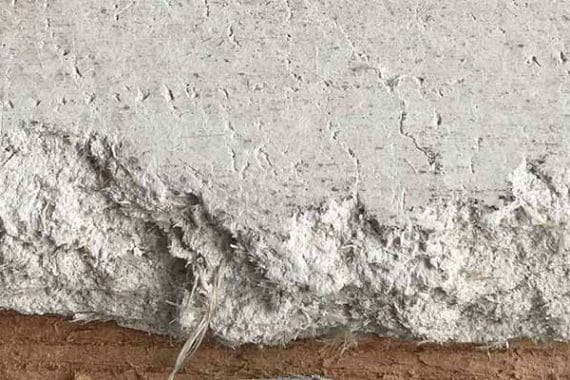
- 1920s-1940s: Very early fostering in industrial and institutional floor covering. https://stjohnswoodasbestosremoval.co.uk/services/refurbishment-demolition-survey.html
- 1950s-1960s: Highest possible manufacturing and installation prices; extensive in both homes and organizations.
- 1970s: Industry requirement for vinyl floor tiles and sheet flooring.
- Early 1980s: Gradual phase-out, but still present in inventories and setups.
Constantly evaluate these durations before disturbing old floor covering.
Visual Indications of Asbestos Floor Floor Tiles
When assessing flooring tiles for asbestos, you'll wish to search for certain visual signs such as common floor tile dimensions, unique color scheme, and special surface area appearances. You may notice tiles measuring 9x9 inches, muted earth tones, or a mottled look, every one of which can signify prospective asbestos web content. https://stjohnswoodasbestosremoval.co.uk/services/soft-strip-demolition.html It is essential to evaluate these attributes carefully, as they can provide crucial clues before any kind of tasting or testing is carried out.
Common Floor Tile Size Indicators
Numerous older floor tiles— especially those installed prior to the 1980s-– were manufactured in details sizes that can work as essential aesthetic hints for identifying possible asbestos content. https://stjohnswoodasbestosremoval.co.uk If you're checking out a floor and wish to assess its threat, paying close interest to ceramic tile measurements and pattern repeats is crucial. Asbestos-containing tiles typically comply with recognizable size conventions. Right here are four common indicators to try to find:
- 9-inch by 9-inch ceramic tiles-– This dimension is highly related to asbestos use in mid-20th-century flooring installments.
- 12-inch by 12-inch tiles-– Though still typical today, some very early variations consisted of asbestos.
- 18-inch by 18-inch ceramic tiles-– Less frequent, but existing in particular asbestos-era items.
- Regular pattern repeats-– Uniform patterns may point to mass-manufactured, asbestos-containing ceramic tiles.
Unique Color Scheme

Past tile size, color scheme provide another layer of evidence in recognizing possible asbestos flooring ceramic tiles. You'll frequently observe retro patterns, which were specifically popular from the 1920s via the 1980s— precisely when asbestos was typically utilized. These patterns commonly consist of geometric forms, multicolor styles, and marbled impacts that aren't as prevalent in modern-day floor covering materials. Pay very close attention to soft planet tones and terracotta hues, as these shades regularly show up in older ceramic tile products that might include asbestos. It is very important to bear in mind that shade alone isn't conclusive proof, however certain combinations— such as olive greens, ochres, and deep browns— are characteristic of the era. By very closely evaluating these distinct color scheme, you'll improve your ability to flag floor tiles that could potentially consist of asbestos.
Surface Area Structure Hints
Frequently, you'll notice that asbestos-containing floor ceramic tiles show a distinctively smooth or discreetly lumpy surface, unique from the much more pronounced textures found in modern vinyl floor covering. When examining these tiles, pay attention to the responsive and aesthetic hints that may suggest asbestos web content. Unlike modern products, asbestos floor tiles seldom show a rough appearance or famous grains. You're more probable to observe a regular, often glossy surface, though extreme gloss is unusual. Utilize the following listing to assist you determine potential asbestos-containing floor tiles:
- Smooth, uniform surface areas without apparent grooves or embossing.
- Very little surface area gloss; a soft shine instead of a high-gloss coating.
- Subtle dimpling, in contrast to rough texture or heavy patterns.
- Absence of depth or layering commonly present in contemporary plastic designs.
Aesthetic and Laboratory Techniques to Identify Asbestos Floor Tiles
Precisely identifying asbestos in flooring ceramic tiles and plastic calls for a combination of visual evaluation and research laboratory analysis. You'll first look for dead giveaways, such as ceramic tile dimension (frequently 9x9 inches), shade, and producer markings, however these cues alone aren't conclusive. For conclusive results, examples ought to be sent to a licensed research laboratory. There, microscopy strategies— such as polarized light microscopy (PLM)— are utilized to analyze fibers at high zoom, differentiating asbestos from comparable products. Furthermore, spooky analysis techniques like Fourier-transform infrared spectroscopy (FTIR) or X-ray diffraction (XRD) aid verify the mineral's unique chemical trademarks. Relying solely on visual hints can result in misidentification, so laboratory evaluation is necessary for exact assessment. Do not try tasting on your own; consult specialists learnt asbestos handling.
Health Risks of Disturbing Asbestos Floor Shingles
If you disrupt asbestos floor tiles, you risk launching microscopic fibers right into the air, which are quickly inhaled. These air-borne fibers can create lasting respiratory concerns such as asbestosis and persistent lung disability. Gradually, exposure is also connected to major conditions, including lung cancer cells and mesothelioma.
Airborne Fiber Exposure Dangers

When asbestos-containing floor tiles are disrupted— through improvement, elimination, or perhaps aggressive cleansing-– the material can release microscopic asbestos fibers right into the air. You can't see or scent these fibers, yet they pose substantial threats if inhaled. The degree of air-borne fiber exposure relies on just how much disturbance takes place and the performance of occupational tracking. Correct controls are important to reduce fragment diffusion and restriction exposure. Take into consideration these essential points:
- Disruption Type: The much more aggressive the task, the greater the fiber release.
- Fragment Dispersion: Air movement and air flow can spread out fibers quickly throughout a room.
- Occupational Surveillance: Regular air tasting is imperative for finding hazardous fiber focus.
- Control Procedures: Utilizing barriers and HEPA filters can lower air-borne fiber migration inside.
Long-Term Respiratory Impacts
Although asbestos floor ceramic tiles may appear secure when undisturbed, disrupting them can cause the launch of fibers that significantly increase your risk of establishing persistent breathing diseases. When you inhale these fibers, they can end up being trapped deep in your lung cells, creating inflammation and scarring over time. Work-related exposure, particularly with duplicated call or poor safety steps, considerably elevates these dangers. Routine respiratory tracking is essential, as signs frequently develop slowly and may not appear up until comprehensive damages has actually happened.
Wellness Impact
Common Beginning
Key Sign
Persistent Respiratory disease
Years
Persistent cough
Pulmonary Fibrosis
Decades
Shortness of breath
Pleural Thickening
Years— Decades
Chest pain
Reduced Lung Feature
Years
Fatigue
Airway Blockage
Years
Wheezing
Cancer Cells and Disease Hyperlinks
While asbestos floor ceramic tiles might appear harmless when undamaged, disturbing them can posture considerable carcinogenic threats due to the launch of airborne fibers. When you inhale these fibers, they can lodge in your lung cells, bring about serious health and wellness results in time. Asbestos public health has actually revealed clear web links between direct exposure and malignancies, especially mesothelioma, an unusual and aggressive cancer. Comprehending the mesothelioma devices emphasizes why direct exposure is so dangerous— fibers create persistent swelling, DNA damage, and cellular anomalies.
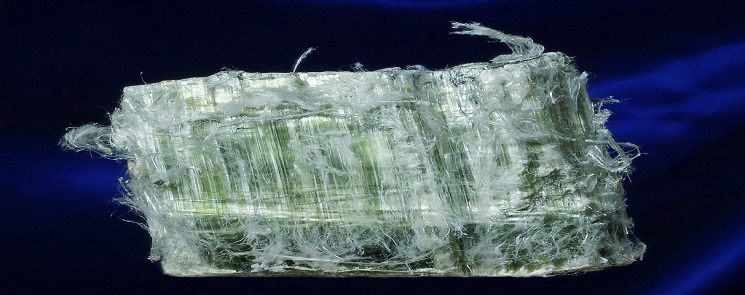
Below are four vital cancer cells and disease web links to be familiar with:
- Mesothelioma cancer: Directly connected to asbestos fiber breathing.
- Lung Cancer cells: Threat increases with advancing direct exposure.
- Asbestosis: Persistent lung illness from fiber buildup.
- Various other Cancers: Laryngeal and ovarian cancers have documented organizations.
What to Do If You Suspect Asbestos in Your Floorings
If you think your floorings could have asbestos, it's vital to stay clear of disturbing the product, as asbestos fibers can come to be airborne and position substantial health and wellness dangers when inhaled. Do not sand, cut, or pull up old floor tiles or plastic. Instead, reduce foot traffic and maintain kids and pets far from the area. Think about the importance of emotional support, because uncovering potential asbestos in your home can be demanding. Just as, start monetary preparation for potential reduction or removal costs, as specialist removal can be costly. https://stjohnswoodasbestosremoval.co.uk/services/garage-shed-roof-removal.html Paper any kind of presumed locations for reference and interact clearly with house participants. The table listed below summarizes immediate actions:
Step
Why It is necessary
Prevent disturbance
Stops fiber launch
Limit accessibility
Reduces exposure threat
Seek support/planning
Addresses anxiety, prices
Do It Yourself Testing Kits Compared to Expert Inspections
After taking steps to reduce disruption and direct exposure, you'll require to verify whether asbestos is really existing in your floor ceramic tiles or vinyl. You have the alternative to use DIY screening packages or work with a specialist examiner. Right here's an in-depth evaluation to aid you choose:
- Home Tasting: do it yourself kits permit you to gather examples yourself, yet inappropriate method can raise direct exposure danger.
- Expert Assessments: Certified assessors adhere to rigorous methods, lowering contamination and making sure accuracy.
- Cost Contrast: do it yourself packages are less pricey (generally $30—$60), while specialist examinations array from $250—$800.
- Result Dependability: Lab-tested DIY examples can be precise, but professional analysis is more trustworthy due to experience and oversight.
Your option relies on budget plan, self-confidence in home tasting, and your need for specific results.
How to Handle Suspected Asbestos Floor Covering Securely
Even when you doubt whether your floor tiles or vinyl contain asbestos, it's essential to treat any type of suspicious product with care to avoid harmful fiber release. Avoid disrupting the flooring— do not sand, scrape, or drill, as these actions can release tiny fibers into the air. If an item ends up being loose, thoroughly cover it with plastic bed linen and tape to decrease exposure. Usage moist towels to clean surface areas nearby, never ever completely dry sweeping or vacuuming, as this might spread out fibers. Shop any kind of gathered particles in sealed, identified bags; appropriate storage is vital to decrease danger throughout handling. Preserve emergency preparedness: understand whom to speak to in situation of unexpected disruption and have individual protective tools offered. Always prioritize containment and reduce motion around thought asbestos locations.
Legal Requirements for Getting Rid Of Asbestos Flooring Tiles
While asbestos flooring ceramic tiles may appear harmless when uninterrupted, their removal is regulated by strict legal requirements to shield public wellness and safety and security. As a residential property proprietor, you have to understand your lawful obligations prior to starting any elimination process. Federal, state, and neighborhood regulations need you to follow specific actions to assure conformity and decrease asbestos direct exposure. Right here's what you need to know:
- Alert: Notify relevant environmental authorities prior to removal starts, as mandated by legislation.
- Licensing: Only licensed specialists are permitted to remove asbestos-containing products; unlicensed removal is unlawful.
- Job Practices: Rigorous control, moistening approaches, and use personal safety tools are called for throughout elimination.
- Disposal Procedures: You must carry asbestos waste to authorized facilities, adhering to all labeling and documentation guidelines.
Non-compliance can cause severe fines.
How to Choose an Asbestos Floor Covering Elimination Contractor
Selecting the ideal asbestos flooring removal professional demands mindful examination of qualifications, experience, and regulatory compliance. You ought to validate that only licensed contractors, certified for asbestos abatement, are thought about. Evaluate their performance history by requesting referrals and evaluating previous tasks similar to yours. Verify that the contractor sticks to government, state, and regional laws, including correct disposal techniques and worker security procedures. Prior to making a choice, get in-depth remediation price quotes from multiple contractors. These estimates need to lay out job range, control strategies, equipment used, timelines, and total expenses. Very carefully contrast these propositions for efficiency and openness. Do not think twice to ask concerning obligation insurance and worker training qualifications. By following these actions, you'll lessen wellness threats and assurance that your asbestos floor covering is eliminated safely and successfully.
Frequently Asked Concerns
Can Asbestos in Flooring Shingles Affect Indoor Air High Quality In Time?
Yes, asbestos in flooring ceramic tiles can impact indoor air top quality with time if the ceramic tiles become damaged or weaken. You go to threat of lengthy term direct exposure when tiny fibers are released into the air and breathed in. Asbestos fibers are unseen to the nude eye, so you won't observe them, however they can build up in your lungs, resulting in major health and wellness risks. Intact ceramic tiles normally present little danger unless disrupted or removed incorrectly.
Are Pet dogs in danger From Asbestos-Containing Floor Shingles?
Yes, your pet dogs go to threat from asbestos-containing floor ceramic tiles if the ceramic tiles are damaged or disturbed. Animal exposure can occur when pets scrape, chew, or dig at wearing away floor tiles, triggering asbestos fibers to end up being air-borne. For ideal animal safety and security, it's necessary to protect against family pets from accessing areas with compromised ceramic tiles. Breathing of asbestos fibers can result in breathing concerns in pets, comparable to those located in people, so specialist analysis is advised.
Does Insurance Policy Cover Asbestos Floor Tile Elimination Costs?
No, your common home owner's insurance coverage normally doesn't cover asbestos floor ceramic tile elimination prices, as it's considered a upkeep problem instead of sudden damage. If protection exists, it's usually limited by your policy's insurance policy deductibles and responsibility limits. Some plans might pay if asbestos is disrupted by a covered hazard, like fire, yet you'll need to evaluate your specific plan details and consult your insurance provider to comprehend your specific protection and exemptions.
Can I Market My Home if It Has Asbestos Floor Floor Tiles?
Yes, you can sell your house if it has asbestos floor ceramic tiles, yet you're legally called for to supply customer disclosure about the visibility of asbestos. Numerous purchasers might ask for remediation or work out money incentives to offset removal costs. Lenders and inspectors might additionally have certain requirements. You should not hide asbestos-related concerns, as nondisclosure could lead to legal repercussions after the sale. Transparency guarantees conformity and assists promote a smoother property purchase.
How Should Asbestos Particles From Flooring Tiles Be Disposed Of?
Managing asbestos particles is like dealing with a resting dragon— you don't intend to stimulate danger. You require to position all debris in thick, leak-proof bags or secured containers for correct containment. Each plan should have clear danger labeling showing asbestos content. Don't throw it in the routine trash; instead, arrange for disposal at a licensed contaminated materials facility. Always comply with local regulations to assure risk-free, legal, and liable asbestos waste administration.